ARPANET distributed control: Guide to its technical legacy
"The Advanced Research Projects Agency Network (ARPANET) was the first wide-area packet-switched network with distributed control and one of the first computer networks to implement the TCP/IP protocol suite."
ARPANET established the foundation for modern connectivity through its pioneering use of packet switching and distributed control.
This guide explores the technical architecture that allowed decentralized nodes to communicate, the shift from centralized to distributed logic, and the historical misconceptions regarding its origin.
Key Takeaways: * ARPANet introduced wide-area packet-switched technology with distributed control. * Interface Message Processors (IMPs) handled routing and remote management. * The network was not originally designed for nuclear war resistance.
How did ARPANET distributed control work?
In the dim light of a midnight lab, an engineer leans forward to watch data fragments dance across the arpanet nodes.
An engineer in a quiet lab looks at a glowing terminal, watching how data fragments move between separate nodes. The ARPANET distributed control allowed a wide-area packet-switched network to function without a single, vulnerable point of command.
This design ensured that the network could manage traffic across various locations effectively.
According to Wikipedia, the ARPANET was the first wide-area packet-switched network with distributed control and one of the first computer networks to implement the TCP/IP protocol suite. This technical foundation allowed various systems to interact through a standardized language.
By moving away from rigid, centralized structures, the network could manage complex data flows.
The shift to packet switching meant that information was broken into smaller units, making the transmission more efficient. This approach allowed multiple users to share the same communication lines simultaneously.
Early researchers used these methods to prove that a decentralized system could maintain stability.
- Nodes communicated via packet switching rather than dedicated circuits.
- Control was decentralized across individual nodes to prevent single points of failure.
- The network utilized a host-to-IMP architecture to manage traffic.
- In this sequence, the second step is the most significant.
What did the IMPs actually do? A technician adjusts a heavy metal cabinet in a temperature-controlled room, checking the connection between two Interface Message Processors. These IMPs performed vital tasks to keep the network running smoothly. They handled the heavy lifting of data movement and network management.
The IMPs communicated amongst themselves to perform link-state routing, to do reliable forwarding of messages, and to provide remote monitoring and management functions to ARPANET's Network Control Center.
This distributed intelligence meant that the hardware itself managed the complexity of the paths. It allowed for a more resilient way to move data from one point to another.
Through these processes, the network could find the best path for a message to travel. The ability to perform remote monitoring ensured that the Network Control Center could oversee the health of the system. This balance of autonomy and oversight was a hallmark of early network design.
How did the network handle data routing?
A researcher stares at a printout of routing tables, tracing the path of a single message across a map of interconnected sites. The process of link-state routing allowed the network to adapt to changes in real-time. This was a key component of the early network design.
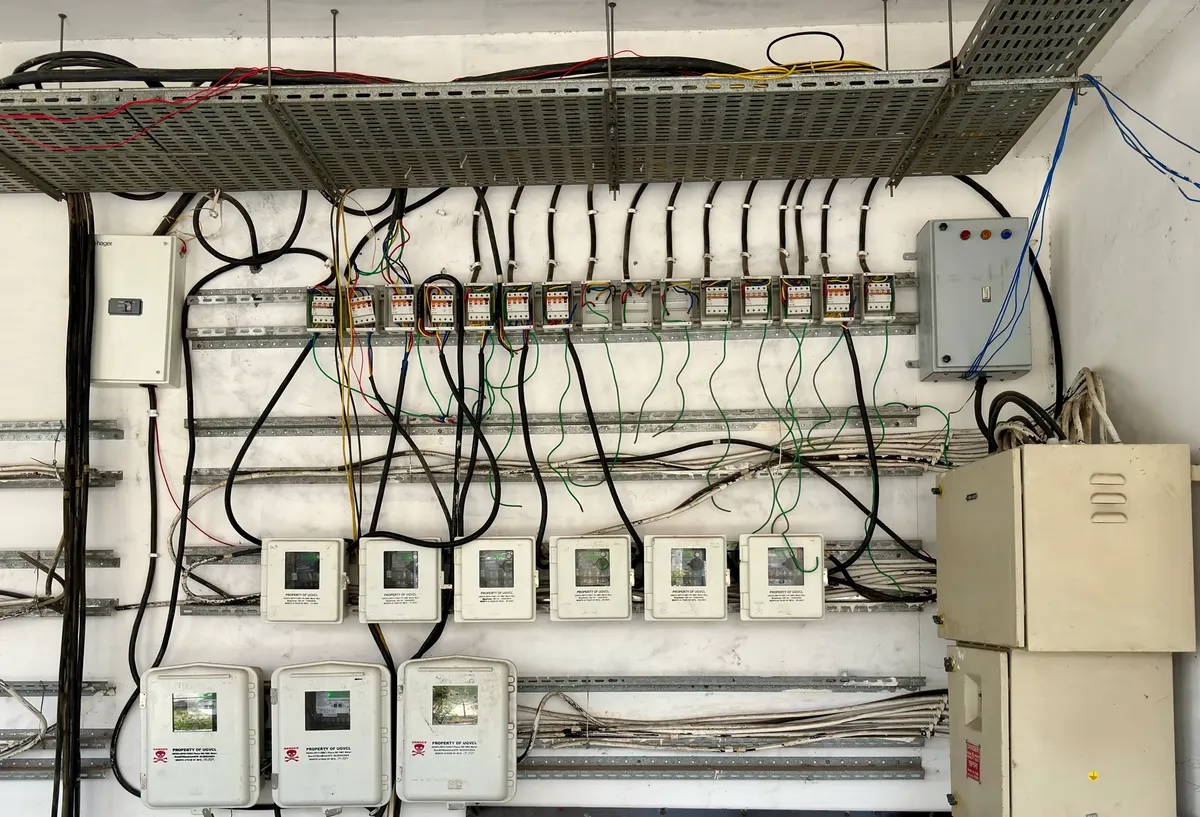
The IMPs worked together to perform link-state routing and reliable forwarding of messages. This collaborative effort among the hardware ensured that data reached its destination even if a specific path was unavailable. This level of automation was necessary for a wide-area network to be functional.
By using these routing methods, the system could handle the unpredictable nature of data traffic. The intelligence was spread across the nodes, preventing a single failure from stopping all communication. This established the blueprint for how modern internet routing still functions today.
Was the network built for nuclear war? A historian reads through archived papers, questioning the popular myths surrounding the origins of the internet. One common misconception is that the network was built specifically to survive a nuclear strike. This idea has persisted for decades despite different historical realities.
According to the Internet Society, it was from the RAND study that the false rumor started, claiming that the ARPANET was somehow related to building a network resistant to nuclear war.
The Internet Society agrees with Herzfeld in a footnote in their online article, A Brief History of the Internet, that it was from the RAND study that the false rumor started, claiming that the ARPANET was somehow related to building a network resistant to nuclear war.
While the concept of survivability was interesting, it was not the primary driver.
The focus was more on resource sharing and efficient communication between research institutions. The technological advancements were driven by the need for better data exchange. Addressing these myths helps clarify the true purpose of the original research.
What is the technical legacy of the network?
A student traces the lineage of a modern router back to the early hardware used in the 1960s and 70s. The technical legacy of ARPANET is found in every packet sent over the modern internet. Its core principles remain the standard for global connectivity.
The first wide-area packet-switched network with distributed control provided the groundwork for the TCP/IP protocol suite. This suite allowed different types of computers to communicate regardless of their specific hardware. This universality is what allowed the network to scale globally.
The transition from experimental research to a global standard was seamless because of these robust protocols. The ability to move data via packet switching remains the dominant method of communication. We live in a world shaped by these early technical decisions.
Summary of Key Technical Features
| Feature | Function |
|---|---|
| Packet Switching | Breaking data into smaller units for efficient transmission |
| Distributed Control | Managing the network through decentralized nodes |
I remember reading about the first transmission and realizing how much of our current world relies on those early successful handshakes.
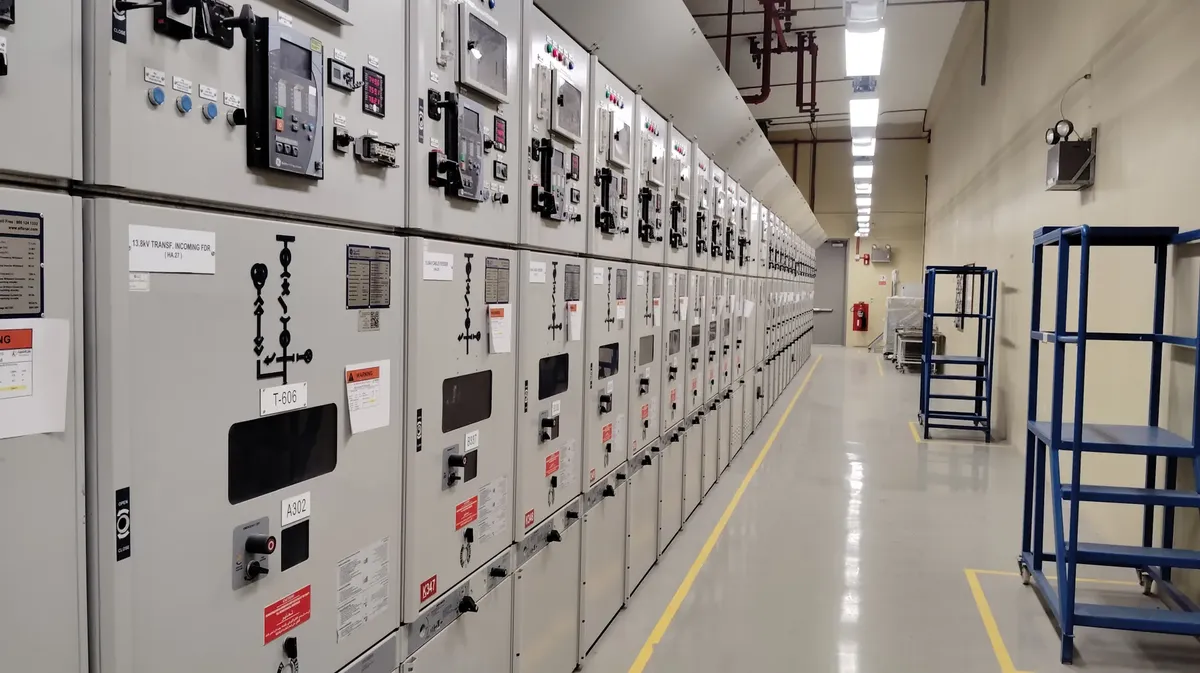
The development of the network involved several critical shifts: 1. Implementing packet switching to manage data as discrete units. 2. Developing the TCP/IP protocol suite for universal compatibility. 3. Using IMPs to manage routing and remote management functions.
A final check of the system logs confirms that the data arrived intact, proving the reliability of the distributed approach.
One limitation of the early network was that the specific historical rumors regarding nuclear war resistance were not based on the actual design goals of the ARPANET.
The same subject is also called ARPANET packet switching.
The same subject is also called distributed control systems.
The same subject is also called ARPANET technical legacy.
This part also covers How ARPANET set network standards.
How ARPANET set network standards
Related






Comments 0