CCTV network setup: Why Minimize CCTV signal interference
"The stability of a wireless network determines the reliability of the eyes watching over our most valuable assets."
To minimize CCTV signal interference in a wireless environment, one must optimize network bandwidth, select appropriate hardware, and manage signal congestion through strategic placement.
This guide covers hardware selection, connectivity solutions, and legal compliance requirements for stable surveillance.
How can one minimize CCTV signal interference?
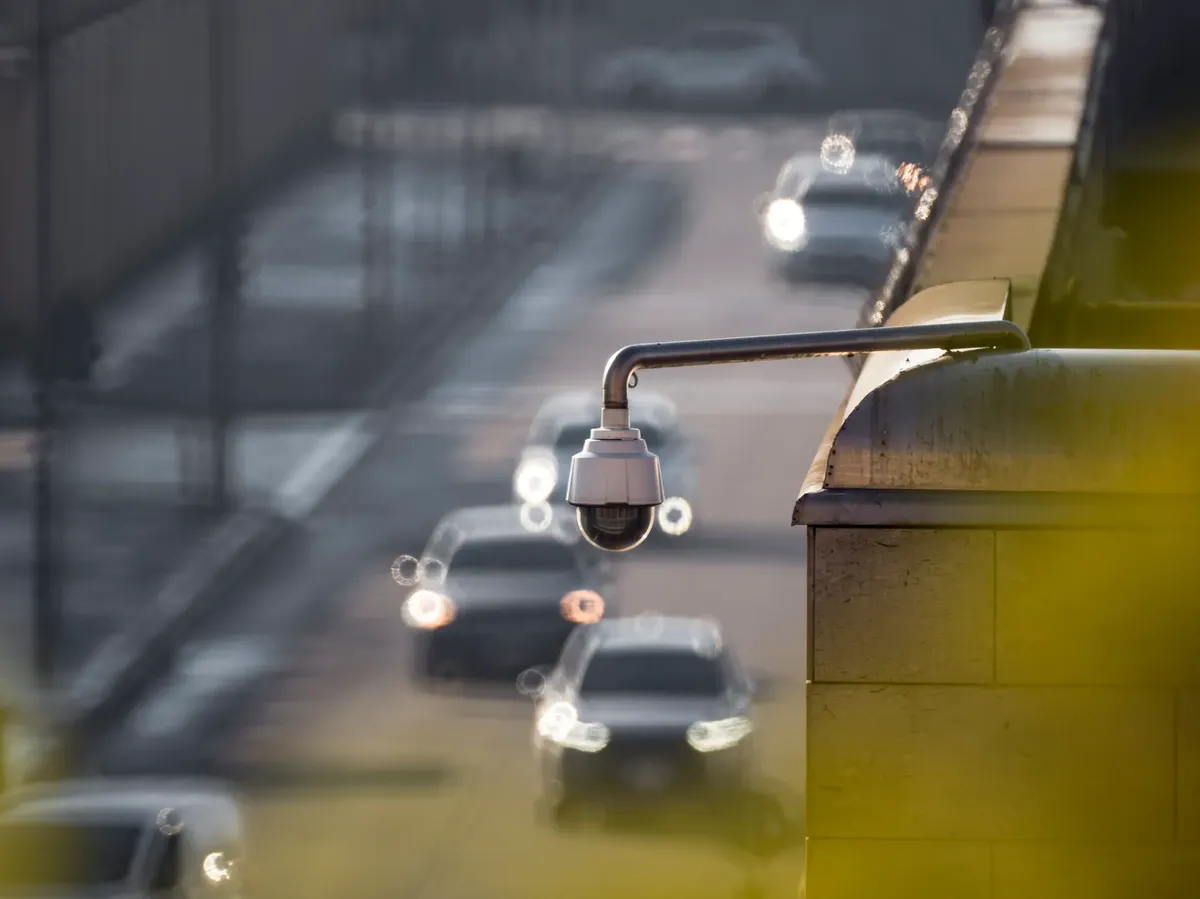
An engineer adjusts a wireless router's antenna to ensure a steady signal reaches a remote camera. Minimizing CCTV signal interference requires a combination of high-performance hardware and strategic network management to prevent packet loss.
Effective wireless CCTV signal boost strategies often involve utilizing high-gain antennas or mesh networking to maintain a strong connection across large distances. When setting up a network, managing the frequency distribution prevents overlapping signals from disrupting the video feed.
A stable connection is the foundation of security, as even minor interference can lead to dropped frames or complete connectivity loss. Effective wireless CCTV signal boost techniques ensure that the data stream remains uninterrupted despite environmental obstacles.
- Identify potential sources of electromagnetic interference.
- Implement shielding or physical separation between cables and power lines.
- Utilize high-quality coaxial or shielded twisted pair cabling.
What are the best ways to optimize CCTV data transfer?
Under the bright lights of the office, a technician taps a tablet to ensure the cctv data flows smoothly without lag.
A technician checks the data throughput on a tablet while standing next to a newly installed wireless access point. To optimize CCTV data transfer, users should prioritize traffic through Quality of Service (QoS) settings to ensure video packets take precedence over other network activities.
Using high-speed wireless routers can solve connectivity issues in remote locations, such as using a wireless router to manage internet access for farm-based surveillance. This ensures that the high bandwidth required for video does not conflict with standard internet usage.
The goal of optimizing CCTV data transfer is to maintain high resolution without constant buffering. Proper network segmentation can also prevent congestion by separating the surveillance traffic from the primary guest or office network.
In this sequence, the first step is the most fundamental.
How does one achieve the best CCTV network setup?
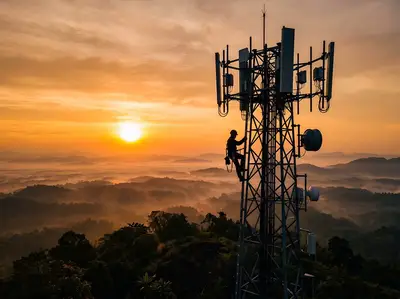
At dawn, a worker climbs a tall ladder to mount the lens, feeling the cold wind as he perfects the cctv network setup.
A worker carefully mounts a camera in a corner, ensuring it has a clear line of sight to the wireless receiver. Achieving the best CCTV network setup involves balancing camera placement with the strength of the wireless signal to avoid dead zones.
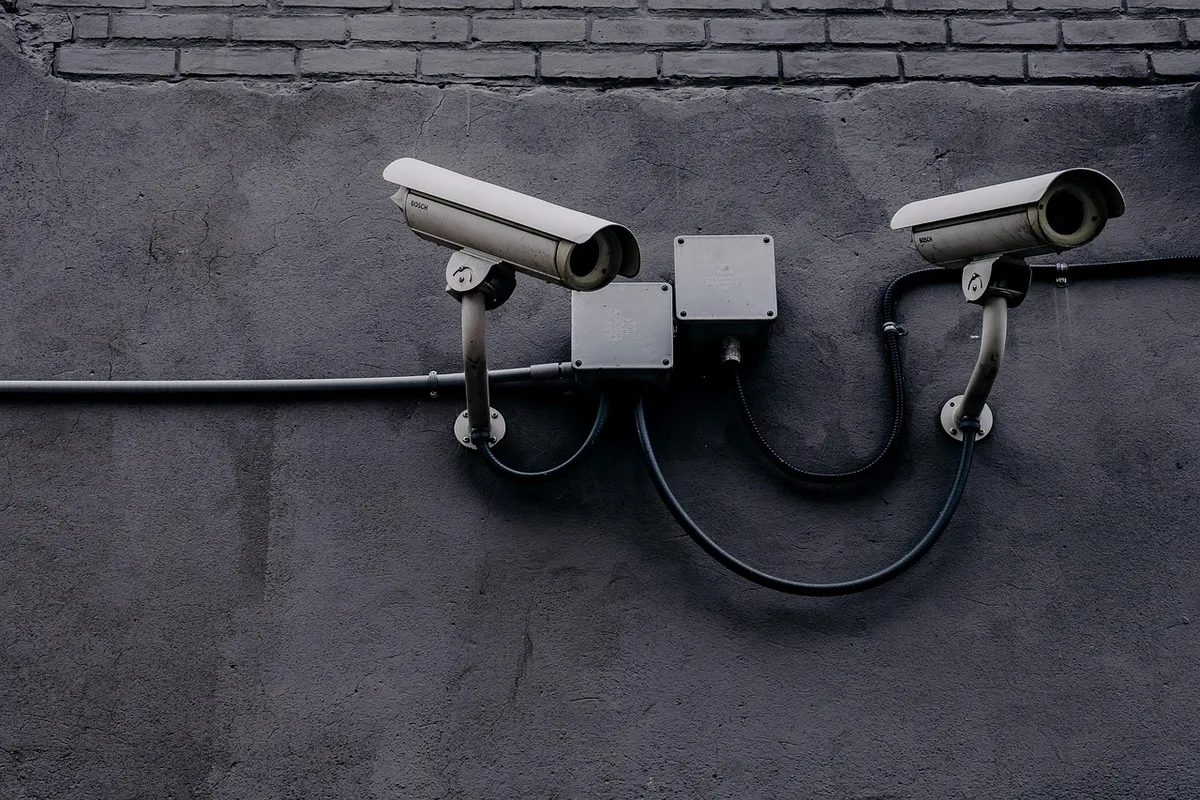
According to the General Centre, in 2017, the Moscow network in Russia included 160,000 CCTV cameras and 95 percent of residential buildings, with over 3,500 Russian cameras connected to the General Centre for Data Storage and Processing.
In large-scale environments, a combination of wired backhauls and wireless access points can provide a robust infrastructure. This approach allows for high-bandwidth devices to remain wired while flexible wireless nodes cover the remaining coverage gaps.
Smart CCTV network design requires evaluating the physical layout of a building to place repeaters where they can best penetrate walls. A well-planned layout prevents the signal degradation that often leads to intermittent outages.
What are the legal requirements for CCTV systems?
A legal professional reviews a document regarding data protection and surveillance registration. In the United Kingdom, the Data Protection Act 1998 imposes legal restrictions on the uses of CCTV recordings and mandates the registration of CCTV systems with the Data Protection Agency.
According to the Information Commissioner's Office, which succeeded the Data Protection Agency in 2004, all CCTV systems must be registered with the Commissioner, and archived recordings must be promptly deleted.
Following these guidelines ensures that the surveillance setup remains compliant with privacy laws.
Regulatory compliance is just as important as technical stability. Failure to adhere to registration and data retention rules can lead to legal complications regardless of how well the signal is managed.
How to manage changes to existing CCTV installations?
An apartment manager consults a blueprint before deciding to add new cameras to the building's security system. When modifying an existing setup, one must adhere to specific thresholds regarding the scale of the changes.
- Check the current scale of the installed CCTV system to determine if changes require official reporting. 2. If changes like damage, removal, or expansion stay within 10% of the original scale, obtain consent from the resident representative meeting and file an activity report. 3. If changes exceed 10% of the original scale, follow the specific regulations for building-wide modifications or structural updates.
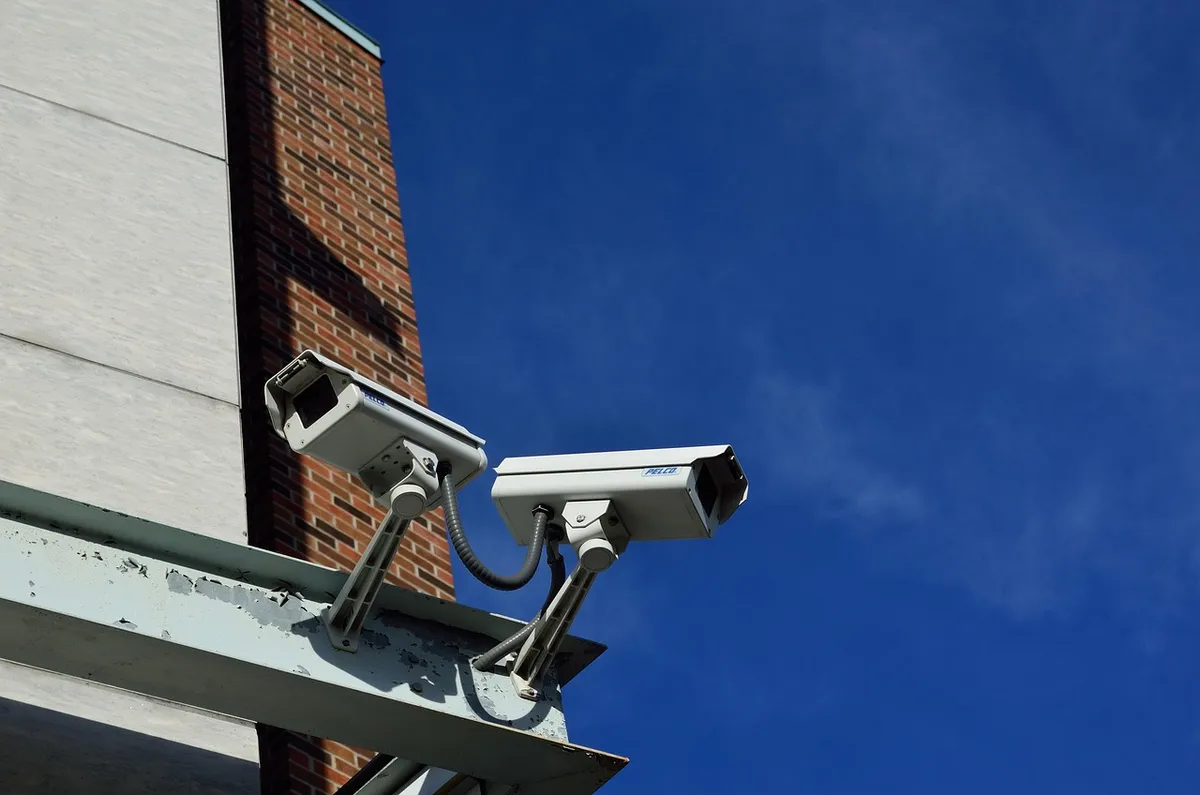
I once reviewed a project where we had to verify if adding two new cameras exceeded the 10% threshold for the building's existing system.
A limitation of these regulations is that the specific requirements for reporting or consent can change based on whether the modifications are happening within a residential building or a commercial structure.
The subject here is Minimize CCTV signal interference.
The same subject is also called Reduce radio interference CCTV.
This part also covers CCTV QoS settings guide.
This part also covers 5G impact on CCTV comms.
CCTV QoS settings guide
Related
- CCTV data transfer quality: Guide to network stability tips
- CCTV signal interference fix: How to minimize signal noise
When is wireless stability most critical? 1. The stability of a wireless network becomes paramount when monitoring high-value assets where any lapse in visual confirmation presents a significant risk. 2. Maintaining robust wireless stability ensures that the data stream from the cameras remains consistent despite environmental challenges. 3. A dependable wireless network is necessary for the eyes watching over valuable assets to function without interruption.
How does network segmentation affect wireless stability? Network segmentation improves wireless stability by isolating surveillance traffic from other network activities. This separation prevents congestion that arises when high-bandwidth video competes with general internet usage. By keeping the CCTV traffic distinct, the overall wireless network performance remains more consistent.
Proper hardware selection directly impacts the stability of a wireless network. Choosing high-performance hardware helps mitigate packet loss, which is a direct consequence of poor signal management.
Furthermore, strategic placement of equipment aids in minimizing signal congestion within the wireless environment.



Comments 0