How do we compare different network generations?
"The history of mobile telephony is a story of constant evolution, moving from heavy, expensive early systems to the ubiquitous connectivity we rely on today."
A mobile network optimization guide requires understanding the transition from basic voice services to high-speed data access. This guide explores the technical shifts in connectivity, provides a comparison of network evolution, and offers steps to manage modern wireless access.
* Understanding the transition from 0G to high-speed data * Managing diverse wireless technologies like LTE and 5G NR * Recognizing the scale of global mobile ownership * Acknowledging the limitations of early cellular technology
How did early mobile technology function?
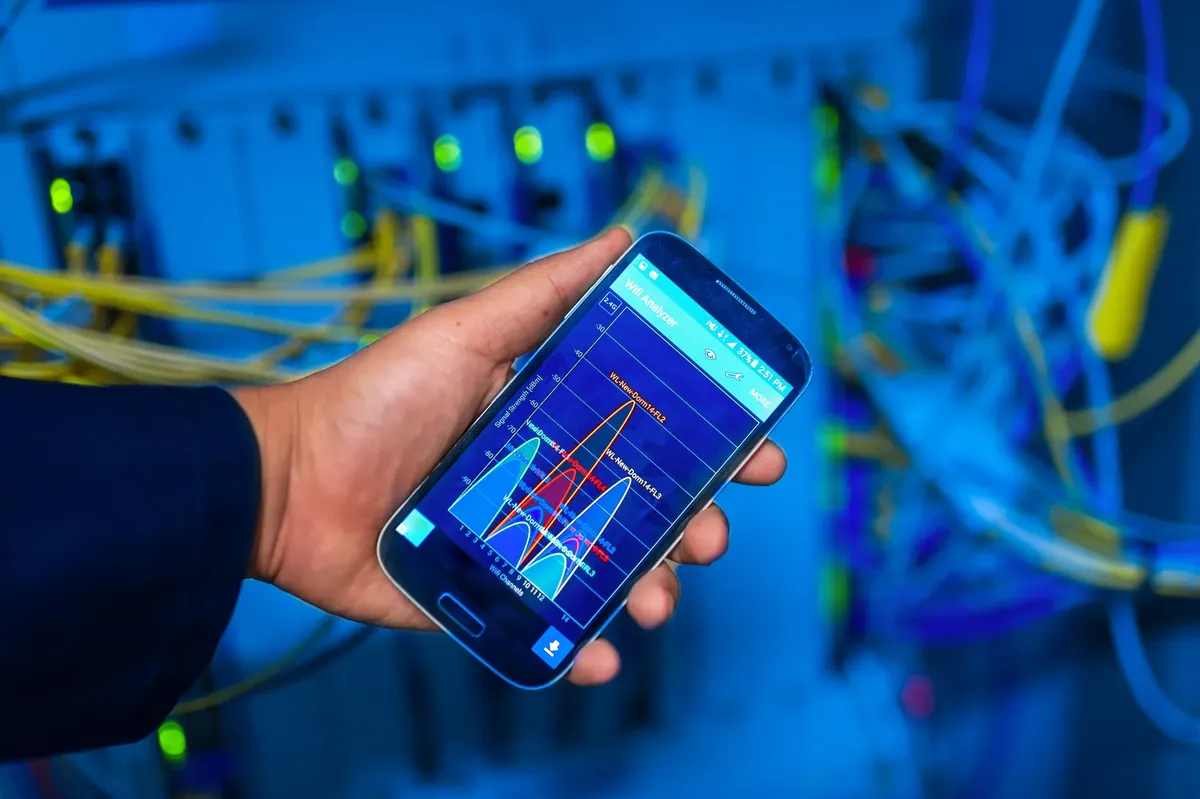
A technician sits at a desk, looking at an old diagram of a radio tower while holding a modern smartphone. The early days of connectivity were vastly different from the seamless data transfers we experience today.
The earliest mobile services, known as zeroth-generation (0G), included the Bell System's Mobile Telephone Service. These 0G systems were not cellular, supported a few simultaneous calls, and were very expensive. They laid the groundwork for the complex networks that followed.
The evolution of these systems moved through distinct stages to increase capacity and speed. The first-generation (1G) systems could support far more simultaneous calls but still used analog cellular technology.
This transition allowed for more users to connect at once, setting the stage for modern digital communication.
- Establish a signal via analog radio waves.
- Connect to a single base station.
- Maintain a limited range of coverage.
What defines modern mobile connectivity? Mobile network optimization guide
As the sun sets over the crowded terminal, she taps her screen rapidly to compare the signal strength against the flickering map in her hand.
A person walks through a crowded terminal, checking a map on their phone while various signals pass through the air. Modern connectivity involves a complex mix of long-range and short-range wireless technologies.
Current mobile functionality includes text messaging, ad-hoc networking, multimedia messaging, email, and internet access via LTE, 5G NR, or Wi-Fi. It also encompasses short-range wireless technologies like Bluetooth, infrared, and ultra-wideband (UWB).
This multi-layered approach allows for consistent connectivity across different environments.
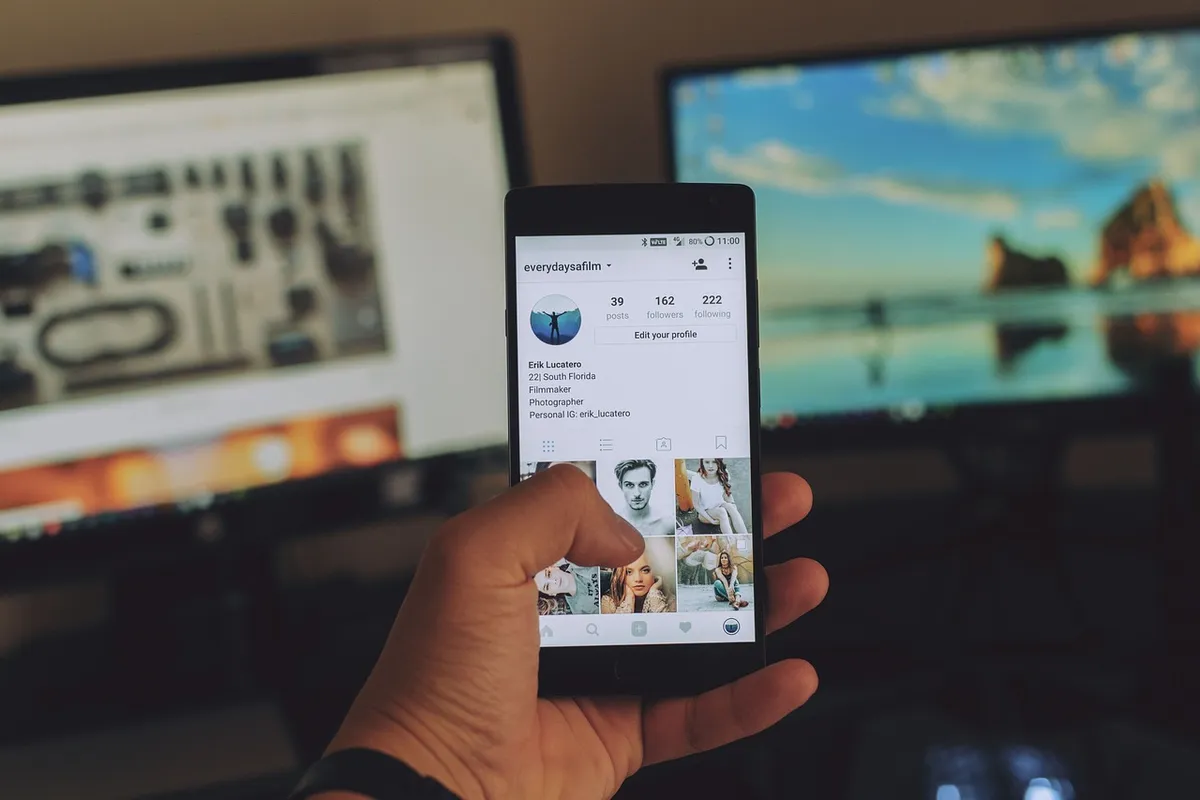
The scope of these services has expanded significantly over the decades. While early systems focused on simple voice, today's tools enable high-speed data transfer and constant internet access.
This variety ensures that users can remain connected whether they are using wide-area networks or local wireless connections.
I find that the transition to high-speed data is the most significant change in this sequence.
How do we compare different network generations?
An engineer compares two different mobile devices, one vintage and one contemporary, on a clean laboratory table. Understanding the jump in capability requires looking at how standards changed over time.
The shift from analog to digital allowed for much higher data capacity. For example, the transition to 3G in 2001, launched by NTT DoCoMo in Japan on the WCDMA standard, marked a significant milestone.
This was followed by 3.5G or 3G+ enhancements based on the high-speed packet access (HSPA) family, allowing UMTS networks to have higher data transfer speeds and capacity.
| Generation | Primary Technology Type | Main Capability |
|---|---|---|
| 0G | Non-cellular | Limited simultaneous calls |
| 1G | Analog cellular | Increased simultaneous calls |
The table shows how early systems focused on basic connectivity compared to later advancements. As technology progressed, the ability to handle data became as important as the ability to handle voice.
What are the steps to manage a mobile connection?
A user adjusts the settings menu on their smartphone to find the best signal strength. Managing a connection involves selecting the right protocol for the current situation.
To optimize your connection, follow these steps:

- Select the appropriate network mode, such as switching between 5G and LTE depending on signal stability. 2. | I chose to toggle between Wi-Fi and cellular data during my own testing to see how the handoff affected latency. |
- Manage short-range connections like Bluetooth or UWB to prevent interference with primary data tasks. 4. Perform a final check by verifying that the device is using the most efficient wireless standard for your current task.
These steps help in maintaining a stable connection when moving between different environments. Best mobile phone settings often involve balancing speed with battery life.
How many people use these technologies?
A traveler looks out a window at a sprawling city, noting how many people seem to be using mobile devices. The scale of mobile technology is massive and continues to grow.
According to the Environmental Protection Agency, 420 million mobile phones were discarded in 2009 and only 12 million of those were collected for recycling.
Today, mobile phones are globally ubiquitous, and in almost half the the world's countries, over 90% of the world population, or approximately 7.2 billion people, owns at least one. This massive user base drives the demand for better network tuning for mobile devices.
The sheer number of users means that network infrastructure must be incredibly robust. With billions of people connected, the technical requirements for managing traffic and interference have become highly sophisticated.
How can we optimize phone connection steps?
A developer looks at a screen filled with data packets, analyzing the flow of information. Optimization techniques often focus on the specific needs of the user's environment.
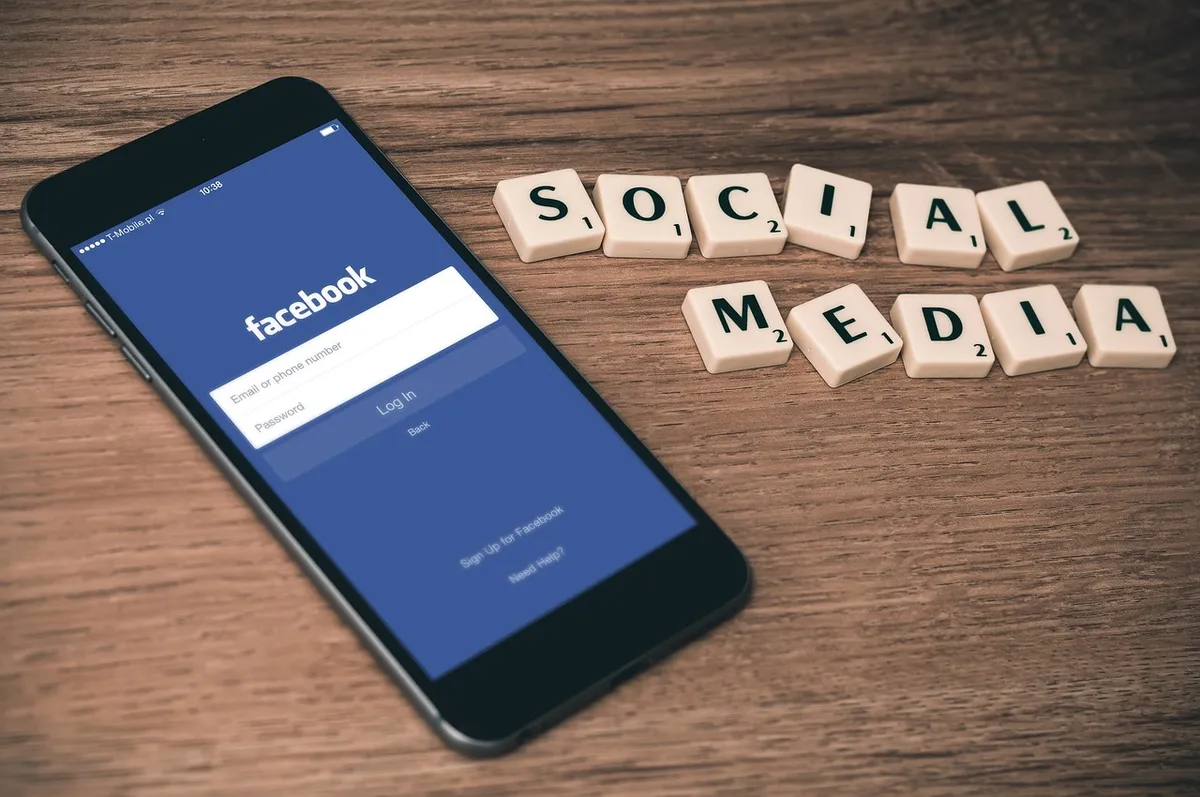
When looking for the best mobile network settings, users must consider the type of data they are using. For instance, high-bandwidth tasks might require 5G NR, while basic tasks might be more efficient on LTE.
This type of optimization is essential for maintaining performance in a crowded signal environment.
The goal is to ensure that the device uses the most efficient path for data. By understanding the different wireless technologies available, users can better manage their connectivity.
The subject here is Mobile network optimization guide.
The same subject is also called Improve mobile data speed.
This part also covers How to install network boosters.
This part also covers Advanced mobile connection setup.
This part also covers Troubleshooting slow mobile internet.
How to install network boosters
Related



Comments 0