Network Slicing Guide: Boost 5G device quality
"The digital landscape is shifting from broad connectivity to precision-engineered streams where every millisecond counts."
To boost 5G device quality, users must understand how network slicing allocates specific resources to meet diverse connectivity needs.
This guide explores how to leverage these virtualized networks to ensure stability, provides a look at bandwidth management, and outlines the fundamental principles of resource allocation.
Key takeaways: * Network slicing allows for specialized resource allocation based on application needs. * Bandings for specific traffic classes must stay within preconfigured limits. * Understanding bandwidth constraints helps in optimizing device performance.
How can network slicing boost 5G device quality?
A technician adjusts the settings on a high-end router to ensure smooth data flow. Network slicing acts as a way to divide a single physical 5G network into multiple virtual layers, each tailored to a specific purpose.
For instance, one slice might prioritize low latency for gaming, while another focuses on massive connectivity for IoT devices.
This method ensures that heavy data usage in one area does not degrade the performance of critical services in another. By isolating traffic, the network provides a more consistent experience for individual devices. This specialized allocation is the core of how network slicing helps 5G.
- Identify specific service requirements for the device.
- Allocate a dedicated virtual network slice.
- Monitor performance metrics within the slice.
What are the rules for managing traffic classes?
At midnight, the engineer stares at the glowing screen, ensuring each traffic class stays within its assigned network limit.
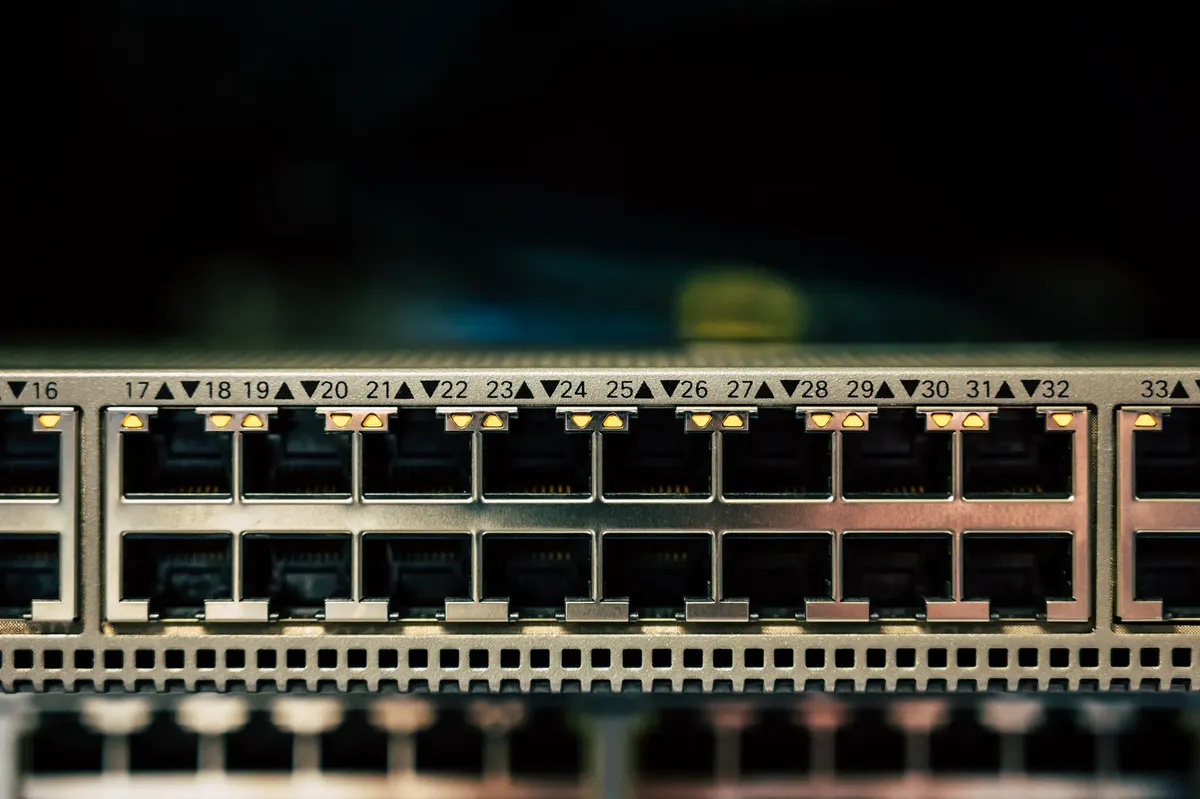
A technician monitors a dashboard showing various data streams flowing through a core switch. When managing different types of data, engineers must enforce strict rules to prevent one service from consuming all available resources.
This prevents congestion and ensures that mission-critical tasks remain operational.

According to Time-Sensitive Networking, traffic classes shall not exceed their preconfigured maximum bandwidth (75% for audio and video applications). This limitation ensures that even when high-demand media is being transmitted, there is still enough headroom for other essential network functions.
Managing these boundaries is essential to optimize 5G network performance.
In this sequence, the second step is the most extensive.
How to apply resource management to your connection
A user sits at a desk, checking the signal strength and throughput on a mobile workstation. Applying these concepts to a real-world environment requires understanding how to prioritize specific tasks over others.
While you cannot manually create a slice on a public carrier network, you can prepare your local environment to handle the incoming data efficiently.
- Identify the primary use case for your device, such as high-speed data or low-latency communication. 2. Monitor the bandwidth usage of various devices to see how they interact with the primary connection. 3. Align your local hardware capabilities with the expected throughput of the 5G service.
I remember checking the bandwidth limits on my own wireless setup to ensure video calls never dropped during peak hours. This type of proactive management is a way to improve 5G connection speed and stability.
A limitation of this approach is that end-user devices are ultimately subject to the specific slice configurations provided by the mobile network operator.
Comparing traffic requirements
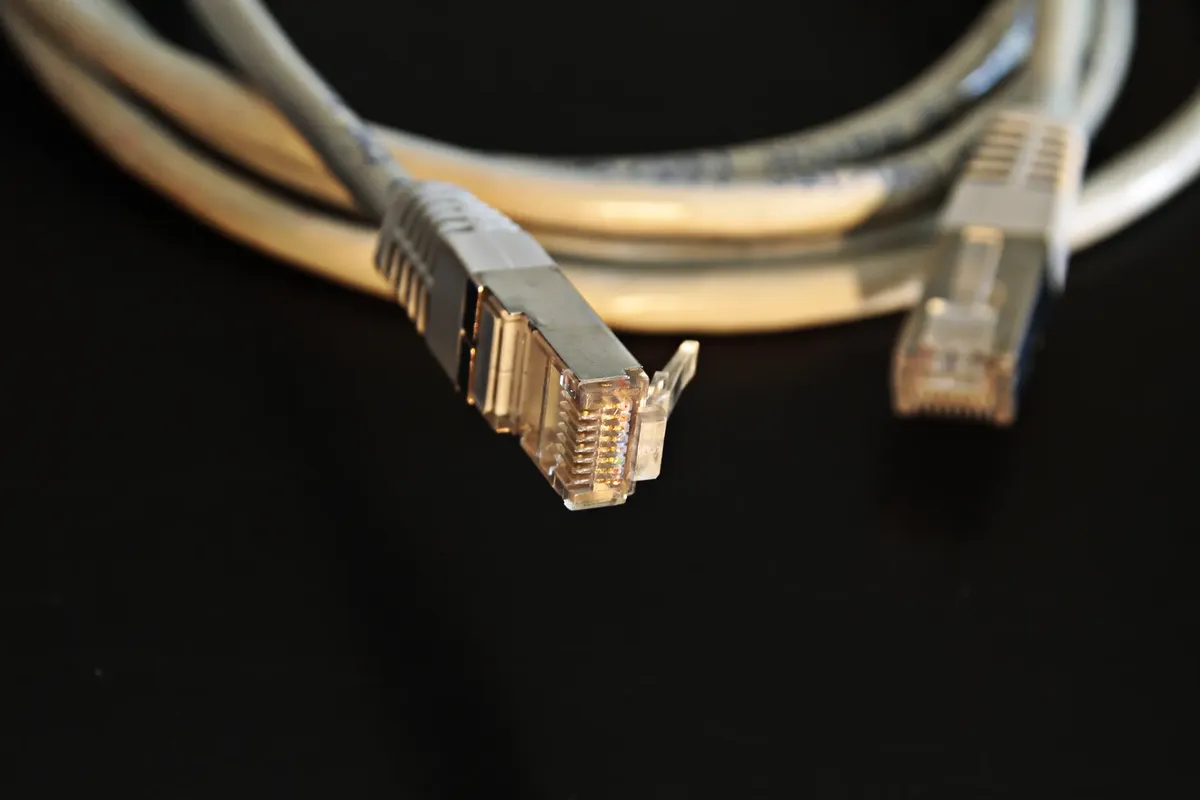
The following table compares how different data types are typically handled within a managed network environment to maintain stability.
| Traffic Type | Primary Requirement | Bandwidth Constraint Example |
|---|---|---|
| Real-time Media | Low Latency / Jitter | 75% Maximum Bandwidth |
| IoT / Sensor Data | High Density | Variable Low Bandwidth |
The subject here is Boost 5G device quality.
The same subject is also called Network slicing for 5G.
The same subject is also called Better 5G device communication.
This part also covers Benefits of 5G network slicing.
This part also covers Advanced 5G communication techniques.
How network slicing helps 5G
Related
- Router speed dropping: Why is my router slow? Tips
- AI home network optimization: Tips for stable throughput
What are the operational conditions for resource isolation? Network slicing functions by partitioning the physical network infrastructure into isolated virtual environments. This isolation is a condition that prevents resource contention between disparate services running on the same physical hardware. When the digital landscape shifts toward precision, maintaining this separation becomes paramount for service level agreements.
This separation guarantees that a sudden surge in data requests aimed at one virtual slice will not impact the guaranteed performance level of another slice. The stability of the overall system depends on the integrity of these boundaries.
Technicians must verify that the allocated resources for each slice adhere strictly to the predefined parameters. If these operational conditions are violated, the intended benefits of specialized resource allocation diminish rapidly.
How does bandwidth management relate to device optimization? Bandwidth management dictates how the available data pathways are distributed across the various virtual layers. Optimizing device performance requires aligning the device's needs with the slice's allocated capacity. Understanding bandwidth constraints allows users to anticipate potential bottlenecks before they affect the user experience.
For instance, if a device requires consistent, low-latency communication, the allocated slice must possess sufficient guaranteed throughput. If the management system allows traffic to exceed its configured limits, the device will experience degraded service quality.
This careful management ensures that the transition from broad connectivity to precision streams is successful for the end-user. The digital landscape demands this level of granular control for effective 5G utilization.





Comments 0