ARPANET packet switching: Early connections used room 3420
"The first wide-area packet-switched network with distributed control was the ARPANET, which also served as a foundational implementation of the TCP/IP protocol suite."
The ARPANET project revolutionized how data travels across distances by moving away from centralized circuits toward a decentralized model.
This article explores how packet switching and distributed control established the groundwork for modern connectivity, covering the transition from host-to-host connections to robust network management.
You will learn about the technical architecture of early hosts, the role of Interface Message Processors (IMPs), and the historical reality behind the rumors of nuclear-resistant design.
How did the first host connections work?
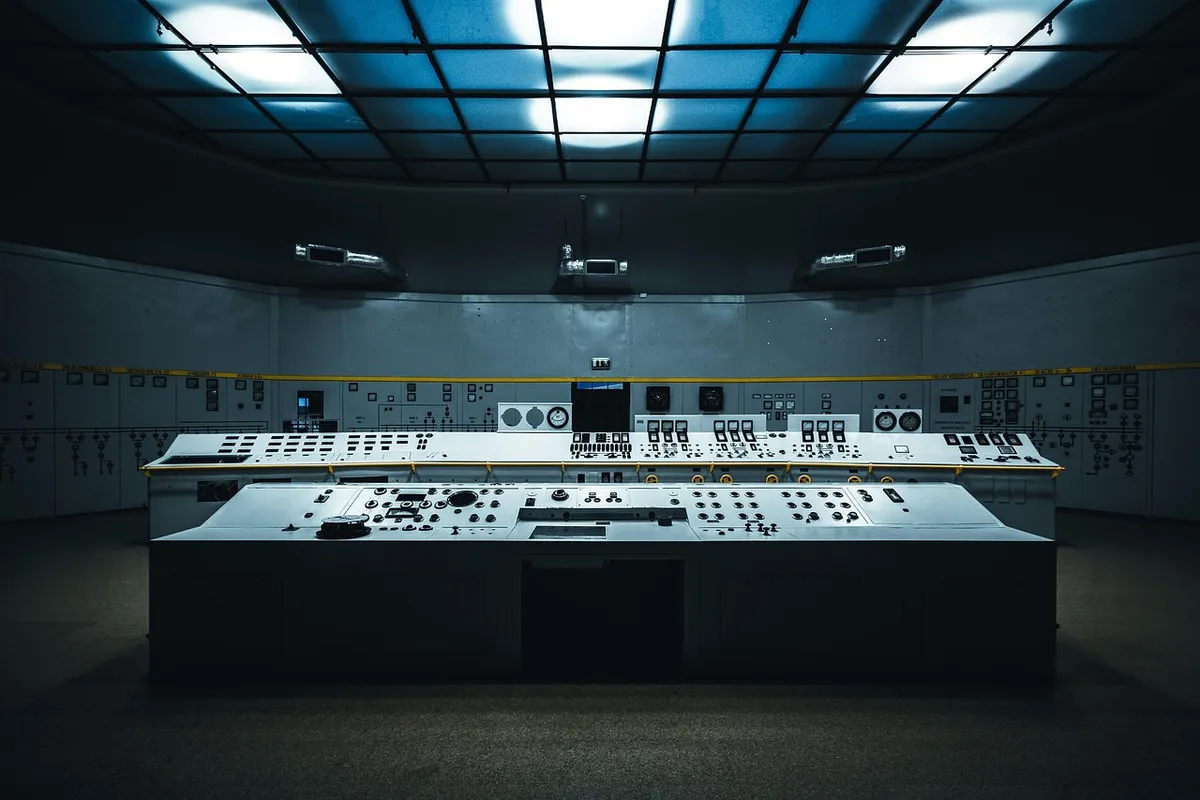
Late at night in the dim Boelter Hall, a researcher reaches out to tap a heavy switch to initiate the first arpanet connection.
A researcher at UCLA sits before a massive SDS Sigma 7 Host computer in Boelter Hall room 3420, initiating a connection to a distant site. This early interaction between machines laid the groundwork for everything that followed in digital communication.
The first successful remote connections involved linking distinct host computers across different geographic locations. For instance, a connection was established from the UCLA SDS Sigma 7 Host computer in Boelter Hall room 3420 to the Stanford Research Institute's SDS 940 Host computer.
This specific link demonstrated the feasibility of connecting disparate hardware through a shared network medium.
These early exchanges proved that different machines could communicate despite hardware variations. This necessity drove the development of standardized protocols to ensure data integrity. Such connections were the first practical applications of wide-area networking.
- The hosts established a handshake to synchronize communication parameters.
- Data was broken into small packets to be sent across the link.
- The receiving host reassembled the packets into the original message.
What defines ARPANET packet switching and distributed control?
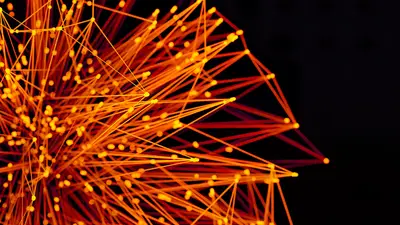
In the middle of the night, the engineer watches a flickering screen in the dark lab as data fragments dance through the arpanet nodes.
An engineer observes a stream of data broken into small, manageable segments moving through various nodes. This process ensures that the network remains functional even if individual paths are obstructed.

The ARPANET was the first wide-area packet-switched network with distributed control. It also became one of the first computer networks to implement the TCP/IP protocol suite.
By breaking data into packets, the network could efficiently route information through various paths without requiring a single, permanent circuit.
This architecture allowed for much higher efficiency than traditional circuit switching. It ensured that the network could handle multiple users and varying data loads simultaneously. The shift to packet switching changed the fundamental nature of telecommunications.
In this sequence, the first step is the most fundamental.
How did IMPs manage the network?
A technician monitors a specialized interface unit that routes traffic between various host computers. This device acts as the intelligent intermediary that keeps the entire system running smoothly.
The Interface Message Processors (IMPs) were essential for maintaining the flow of information across the network. They communicated amongst themselves to perform link-state routing and to do reliable forwarding of messages.
Additionally, they provided remote monitoring and management functions to the ARPANET's Network Control Center.
This distributed intelligence meant the network did not rely on a single central brain. If one node failed, the others could adapt to find new paths. This level of autonomy was a precursor to the modern internet's resilience.
Why was the network designed this way?
A historian examines old documents to separate technical reality from popular myths regarding the origins of the internet. The truth often lies in the practical needs of researchers rather than in wartime strategy.

The design of the network was often misunderstood by the public due to various historical misconceptions. According to the Internet Society, it was from the RAND study that the false rumor started, claiming that the ARPANET was somehow related to building a network resistant to nuclear war.
While the concept of survivability was a factor in distributed design, the primary goal was often resource sharing.
Understanding these motivations helps clarify why technical decisions like packet switching were made. The focus was on connectivity and efficiency among research institutions. This context prevents the misattribution of technical progress to purely military requirements.
What were the steps to establishing early connectivity?
A technician follows a manual to configure a new host computer for integration into the growing network. Each step must be precise to ensure the new node can communicate with existing systems.
- Configure the host computer to interface with the local node hardware. 2. Establish a connection between the host and the Interface Message Processor. 3. Verify that the host can send and receive packets through the network.
I remember reviewing the technical documentation for these early host-to-host links to understand how the SDS machines interacted.
A final check ensures that the routing tables are updated and the link is stable. This process allowed the network to grow incrementally.
What are the limitations of early packet switching?
A researcher looks at a data log showing delays caused by limited processing power and narrow bandwidth. These physical constraints shaped the early development of networking protocols.
The primary limitation of early networks was the hardware capacity of the host computers and the processing power of the nodes. While the distributed control provided resilience, the throughput was significantly lower than modern standards.
The scale of the network was also limited by the physical availability of host machines like the SDS Sigma 7.
The transition from these early systems to modern high-speed networks required massive leaps in hardware and protocol efficiency.
The subject here is ARPANET packet switching.
The same subject is also called packet switching basics.
The same subject is also called distributed control net.
The same subject is also called early network tech.
The same subject is also called ARPANET core ideas.
This part also covers how packet switching works.
This part also covers importance of distributed control.
This part also covers ARPANET network evolution.
how packet switching works
Related




Comments 0