CCTV data transfer quality: Guide to network stability tips
"The system consisted of a manually operated scanning-transmitting camera and wireless shortwave transmitter and receiver, with a resolution of a hundred lines."
Efficient CCTV data transfer quality requires balancing hardware capabilities with network stability to ensure footage remains actionable. This guide explores how to manage bandwidth and storage while meeting legal requirements, focusing on technical reliability and regulatory compliance.
Key takeaways include understanding historical resolution limits, managing data through proper registration, and recognizing the impact of network uptime on crime-solving effectiveness.
How do historical systems define CCTV data transfer quality?
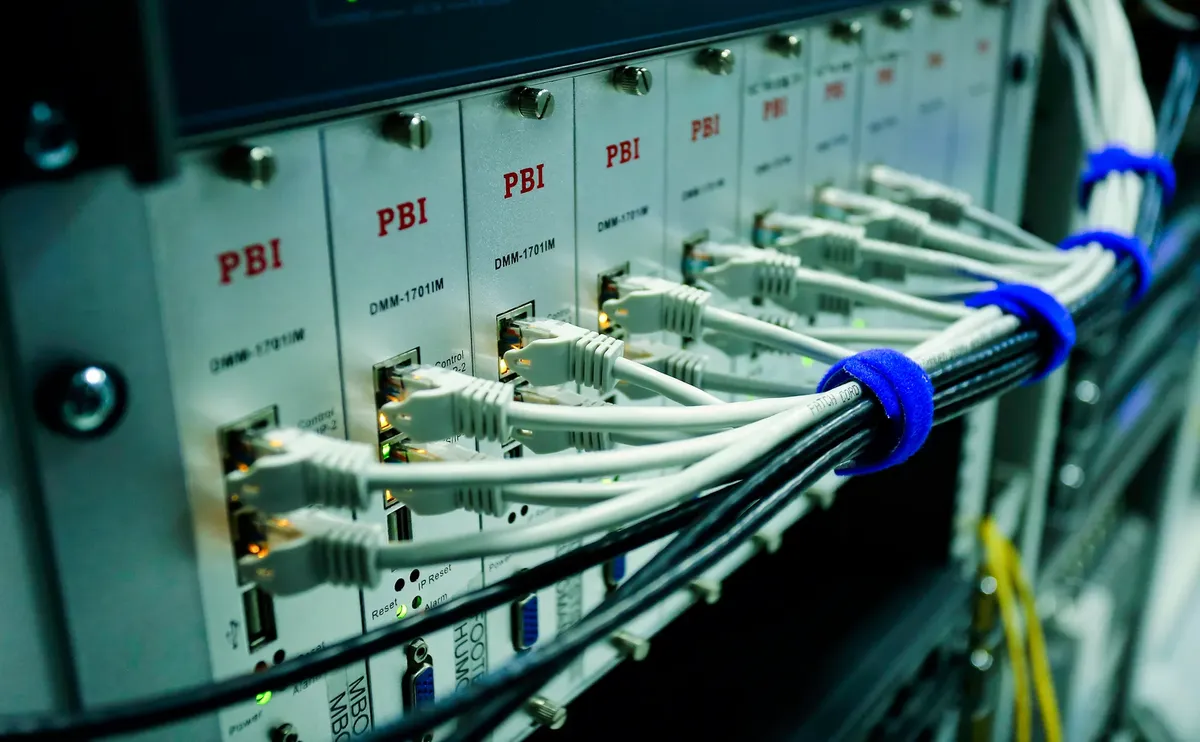
A technician examines a vintage scanning-transmitting camera, noting the grainy resolution of the hundred-line display. Early systems relied on manual operation and wireless shortwave transmitters to move visual data across distances.
According to the Soviet Council of Labor, the system originally requested by the CTO consisted of a manually operated scanning-transmitting camera and wireless shortwave transmitter and receiver, with a resolution of a hundred lines.
The original scope of these systems involved manual scanning and wireless transmission. These early setups used a wireless shortwave transmitter and receiver to achieve a resolution of a hundred lines.
While rudimentary, they established the basic requirement of moving visual data from a capture point to a receiver. Modern troubleshooting often traces back to these fundamental concepts of signal strength and transmission reliability.
How can we manage CCTV network stability tips effectively?
An engineer adjusts a network switch, ensuring the high-definition feed does not cause packet loss. Maintaining a steady connection is essential when deploying large-scale camera networks across urban environments.
Maintaining a stable connection involves managing the load on the local area network. For example, in 2017, the Moscow network included 160,000 CCTV cameras and covered 95 percent of residential buildings. Managing such a massive volume of data requires robust infrastructure to prevent congestion.

When scaling up, engineers must ensure that the bandwidth can handle the peak data transfer rates of all connected units simultaneously.
What are the best ways to improve CCTV data transfer in large networks?
A technician monitors a dashboard as dozens of camera feeds stream smoothly across the screen. Scaling a system requires careful planning of the underlying network architecture to prevent bottlenecks.
To improve data transfer, one must balance resolution against available bandwidth. If the network is overwhelmed, lowering the bit rate or adjusting the frame rate can prevent total system failure.
In high-density areas, like the Moscow network where 3,500 cameras were connected to the General Centre for Data Storage and Processing, centralized management is vital.
Ensuring that the central processing hub can ingest all incoming streams without latency is a primary goal for network administrators.
How can we address CCTV data loss solutions in legal environments?
A legal officer reviews a digital archive, ensuring all recorded files meet local privacy regulations. Data loss is not just a technical failure but a legal risk if recordings are not properly managed.
Addressing data loss involves both hardware redundancy and strict adherence to data retention policies. For instance, the Information Commissioner's Office clarified that systems require registration and the prompt deletion of archived recordings.
To avoid losing critical evidence, backups must be synchronized with these legal deletion requirements. A secure strategy involves using localized storage alongside cloud backups to ensure that a single hardware failure does not result in the permanent loss of vital footage.
What are the best CCTV storage and transfer strategies?
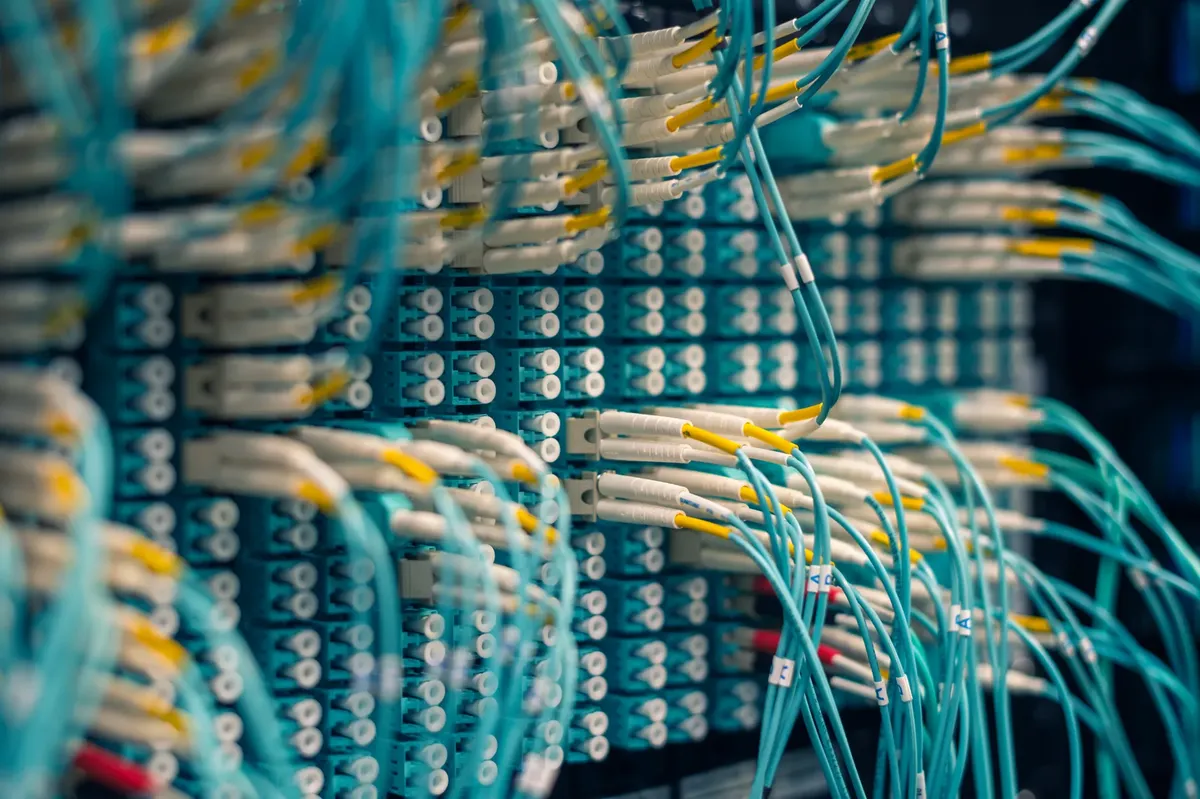
A technician moves a hard drive from a storage rack to a secure server room. Proper storage management ensures that high-resolution video can be retrieved instantly when needed.
According to the General Centre, over 3,500 Russian cameras were connected to the General Centre for Data Storage and Processing in 2017.
Effective strategies involve partitioning storage to handle different levels of data priority. You might prioritize high-resolution footage for critical entry points while using lower bit rates for general area monitoring.
Using a combination of local NVR (Network Video Recorder) units and centralized servers allows for better data distribution. This prevents a single point of failure from disabling the entire surveillance network.
How can we implement secure CCTV data strategies?
A security professional sets up an encrypted connection between a remote camera and a central monitoring station. Protecting the data during transit is just as important as the quality of the video itself.
Implementing secure strategies requires end-to-end encryption and strict access controls. When data travels from a camera to a server, it must be protected from interception. This is particularly important in large-scale deployments where data passes through various network nodes.
Additionally, regular firmware updates help patch vulnerabilities that could lead to unauthorized access or data corruption.
| Metric Type | Historical/Large Scale Example |
|---|---|
| Resolution | 100 lines |
| Moscow Camera Count | 160,000 |

I compared these historical and large-scale figures to understand the scale of modern data management needs.
A limitation of these strategies is that they are often constrained by the existing bandwidth of the local infrastructure, which may not support high-resolution streams in all locations.
- How do historical systems define CCTV data transfer quality?
- How can we manage CCTV network stability tips effectively?
- What are the best ways to improve CCTV data transfer in large networks?
The subject here is CCTV data transfer quality.
The same subject is also called Fix CCTV transmission issues.
The same subject is also called CCTV bandwidth management.
Related




Comments 0