Weak wifi signal home fix: Tips to boost wifi range fast
"A prototype test bed for a wireless local area network (WLAN) was developed in 1992 by a team of researchers from the Radiophysics Division of the CSIRO in Australia."
If you are struggling with a weak wifi signal home fix, the issue often stems from how your hardware interacts with radio frequency bands or physical placement. This guide explores how to manage your wireless environment to improve home wifi strength effectively.
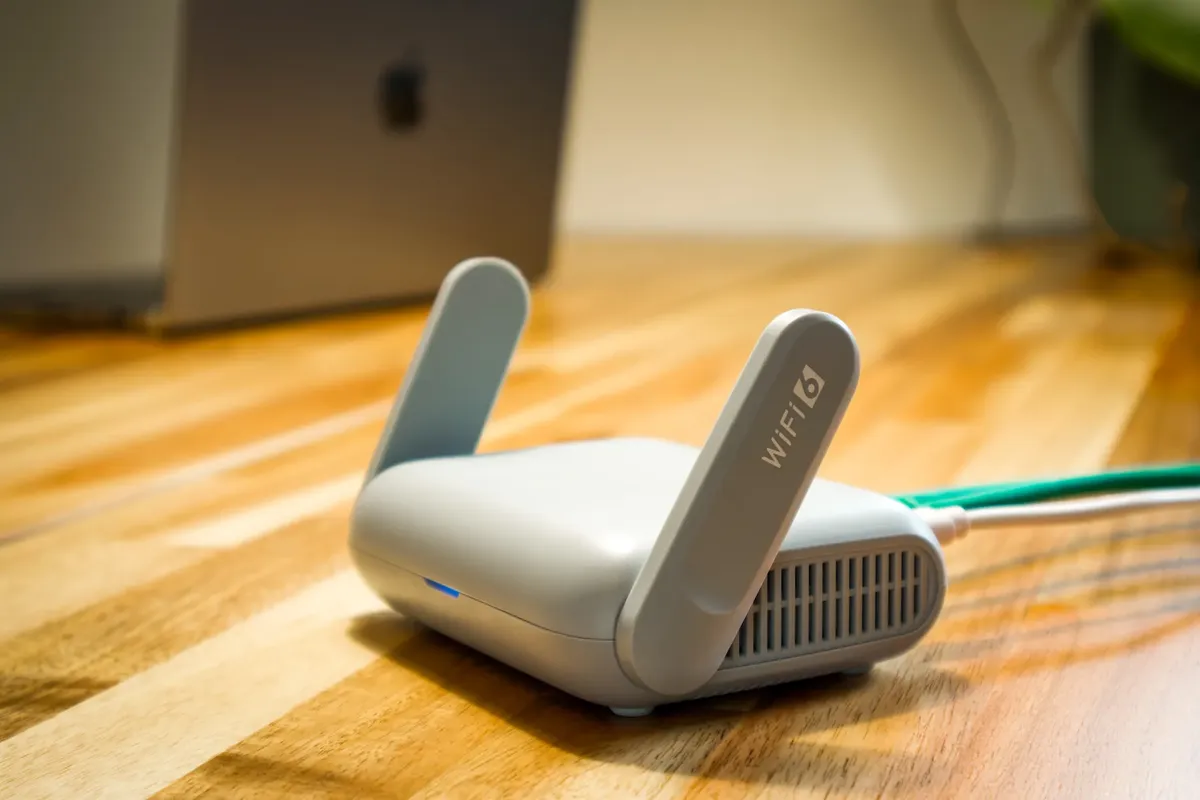
You will learn about frequency bands, hardware components, and how to troubleshoot common connectivity drops.
How can I troubleshoot slow home internet?
A hand reaches for a router sitting behind a heavy wooden cabinet, where the signal light flickers weakly. To begin troubleshooting slow home internet, you must first understand the radio bands your devices use.
Wi-Fi most commonly uses the 2.4 gigahertz (120 mm) UHF and 5 gigahertz (60 mm) SHF radio bands, with the 6 gigahertz SHF band used in newer generations of the standard. These bands are subdivided into multiple channels to manage traffic.
If your signal is weak, you might be using a frequency that is prone to interference or has limited range.
- Restart your modem and router to clear the cache.
- Check for background applications consuming bandwidth.
- Test your connection with a wired Ethernet cable.
How can I improve my home wifi strength? weak wifi signal home fix
At midnight in the silent study, I grip the router with shaking hands, realizing the connection is far too weak. A finger taps a smartphone screen, showing a single bar of connectivity in a corner of the living room. To improve home wifi strength, you should examine the hardware components that drive your wireless network.
Most of the essential elements of wireless networks are built from MOSFETs, including the mobile transceivers, base station modules, routers, RF power amplifiers, telecommunication circuits, RF circuits, and radio transceivers.
Because these components rely on specific electronic architecture, ensuring your router is placed in an open area can prevent signal degradation.
In this sequence, the second step is the most critical.
How do I check indoor wifi signal coverage?

Walking through a hallway, a person holds a tablet, watching the signal strength fluctuate with every step. When you check indoor wifi signal coverage, you are essentially mapping the reach of your router's radio waves.
The 802.11 protocol, first released in June 1997, laid the groundwork for how these signals travel through a home. Different standards, such as 802.11ac (Wi-Fi 5) or 802.11ax (Wi-Fi 6), offer different coverage capabilities.
Understanding which standard your hardware supports can help you decide if a range extension is necessary.
Can I easily fix my weak house wifi? A person moves a router from a low shelf to a higher, central position in the room. To fix weak house wifi, you can follow these three steps to optimize your setup:
- Centralize the router to ensure the signal reaches all rooms equally. 2. Minimize physical obstructions that block the 2.4 GHz or 5 GHz paths. 3. Verify that your devices are compatible with the specific 802.11 standard being broadcast.
After performing these steps, do a final check by testing the connection in the furthest room of your house.
What is the best wifi booster for large home environments?
The shadow of a large house falls across the lawn as the sun begins to set. Choosing the best wifi booster for large home environments requires understanding the evolution of wireless technology.
The development of digital wireless networks was enabled by advances in MOSFET (MOS transistor) wireless technology. While modern solutions like mesh systems are common, they still rely on the fundamental principles of these transistors to maintain a stable connection.
If your home is exceptionally large, you may need to consider how these components interact across long distances.
How to boost wifi range fast?
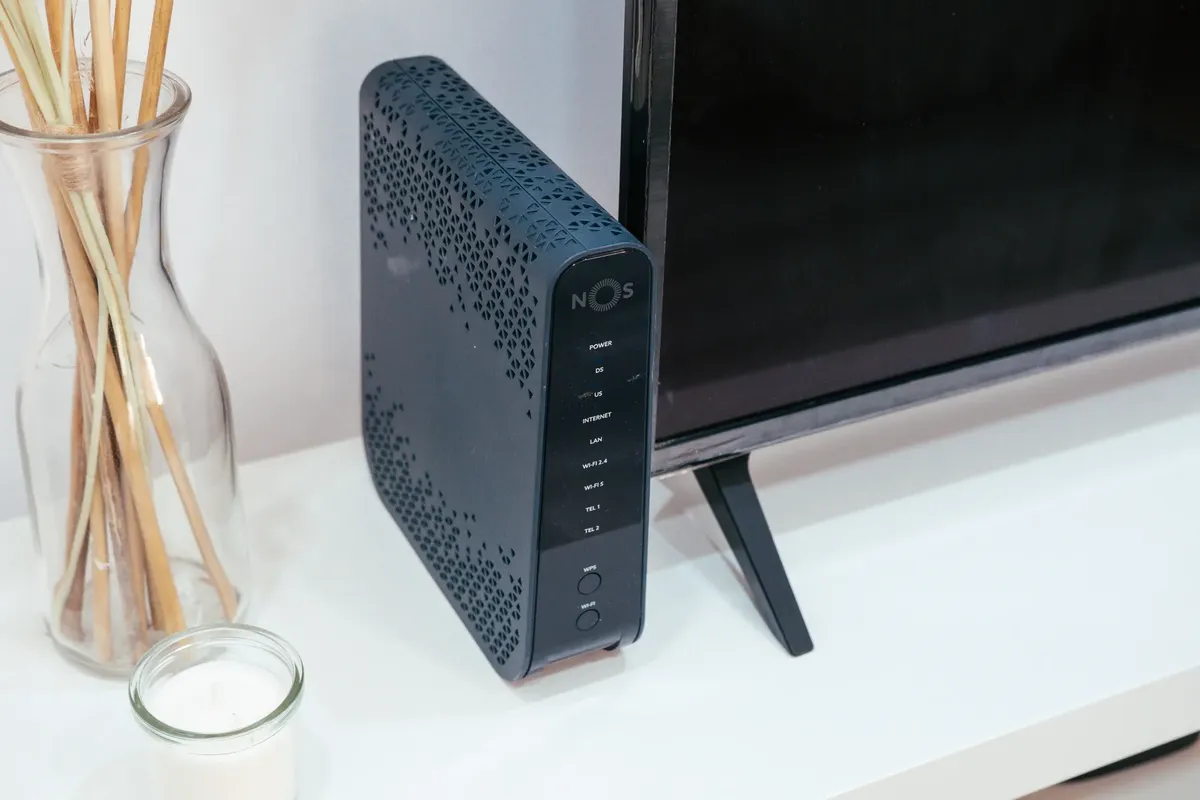
A person plugs a new access point into a wall outlet, watching the connection stabilize. If you need to know how to boost wifi range fast, you should look at your existing hardware's frequency distribution.
| Connectivity Type | Common Frequency Band |
|---|---|
| Standard Wi-Fi | 2.4 GHz / 5 GHz |
| Newer Generations | 6 GHz |
I compared my current router's placement against these frequency capabilities to see why the signal dropped in the kitchen. Understanding these technical specifications helps you realize that a single router might not cover every corner of a large residence.
The subject here is weak wifi signal home fix.
The same subject is also called home wifi problem solve.
Related
- AI device comms stability: Why fast network is critical
- Market competition tips to Optimize mobile network for eSIM
Should I use a prototype or test setup?
If you are evaluating a new environment, you might consider a prototype or test setup to understand how different hardware components interact. To use a prototype setup, you would first identify the specific 802.11 standard your devices support.
- Compare the frequency bands of your current hardware against the 2.4 GHz, 5 GHz, or 6 GHz requirements. 2. Test the signal strength in various rooms to map the coverage of the radio waves. 3. Check if the placement of the router minimizes physical obstructions to the signal path.
Comparing a prototype setup to a permanent installation involves verifying if the hardware's electronic architecture can handle the specific traffic of your home.
You should caution yourself that a single router might not cover every corner, so testing the reach of the radio waves is a necessary step before finalizing your placement.
Wikipedia: Wi-Fi Based on the retained excerpt mentioning Commonwealth Scientific and Industrial Research Organisation: A prototype test bed for a wireless local area network (WLAN) was developed in 1992 by a team of researchers from the Radiophysics Division of the CSIRO (Commonwealth Scientific and Industrial Research Organisation) in Australia, led by John O'Sullivan.


Comments 0