IoT device connection: Why Fix IoT device connection issues
"The number of online-capable devices grew 31% from 2016 to 2017 to reach 8.4 billion."
To fix IoT device connection issues, users must address signal interference, network congestion, and hardware compatibility through strategic placement and protocol management.
This guide provides actionable steps to stabilize your network, optimize wireless range, and ensure your smart devices remain online. You will learn how to manage bandwidth, utilize modern connectivity features, and recognize the limitations of current wireless standards.
How to fix IoT device connection issues?
At dusk, I knelt on the cold floor to reposition the router, hoping to restore the signal to my flickering device.
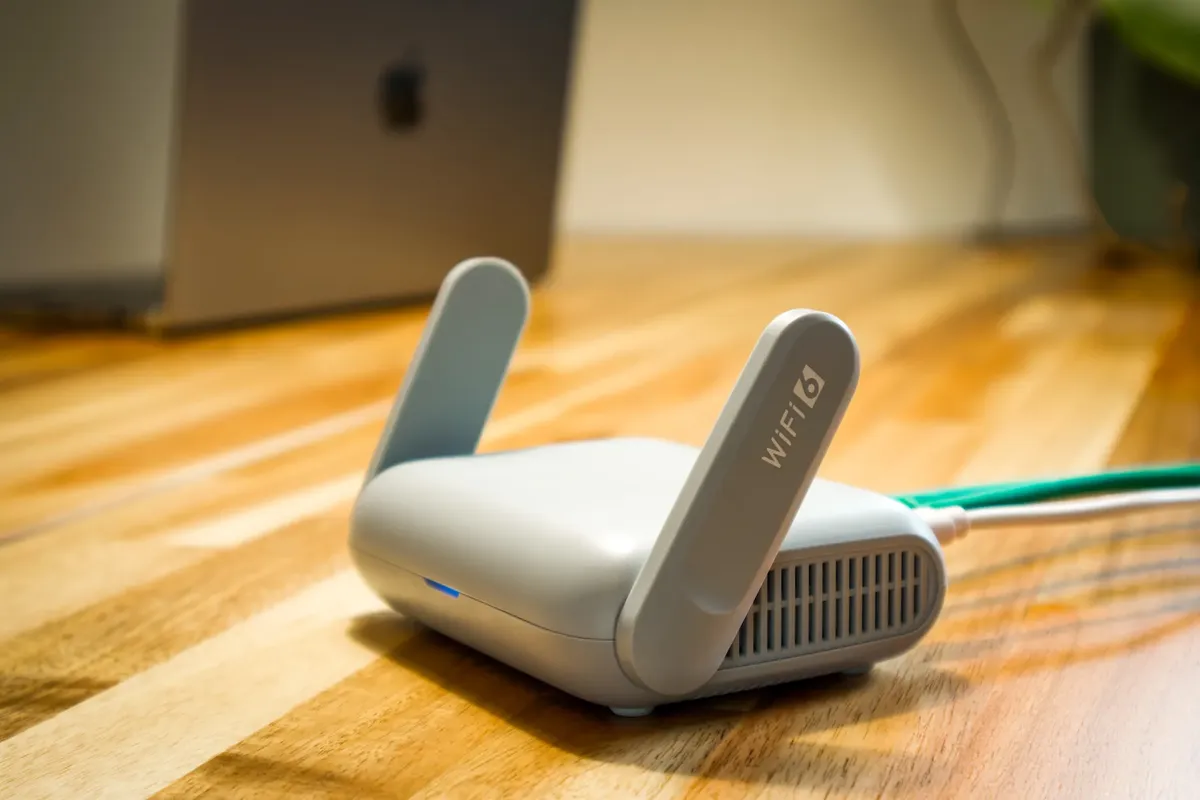
A technician adjusts a router setting to ensure a smart sensor stays online during a sudden surge in network traffic. Addressing connectivity begins by evaluating the physical environment and the specific communication protocols in use.
Effective troubleshooting requires identifying whether the problem is distance-based or bandwidth-driven. You can often resolve drops by moving the hub closer to the device or switching to a more robust frequency.
One common method to fix IoT device connection issues is to verify that the device is within the effective range of its communication protocol. For instance, while some protocols offer long-range capabilities, others are limited to very short distances.
The goal is to establish a stable link that can withstand the growing density of smart devices. Without a solid foundation, even the most advanced hardware will fail to maintain a consistent connection.
- Power cycle the IoT device and your router.
- Verify that the device is within range of the wireless signal.
- Check for any firmware updates required for the hardware.
How to boost wifi speed for iot?
At midnight, she dragged the heavy router across the carpeted floor to find a better spot for her wireless device.
A user moves a bulky router away from a metal cabinet to prevent signal attenuation across the living room. Boosting connectivity involves managing the airwaves to prevent interference from other household electronics.
You can boost wifi speed for iot by separating your high-bandwidth devices from your low-power sensors. Using different frequency bands can prevent a single high-traffic device from drowning out smaller sensors.

If your network is crowded, assigning dedicated channels can help. This prevents the signal from becoming fragmented and ensures that critical data packets reach their destination without delay.
Smart homes often face congestion because many devices compete for the same wireless space. Managing this competition is essential for maintaining high throughput for all connected hardware.
In this sequence, the second step is the most significant.
How to achieve a stable IoT wifi connection?
A smart camera mounted on an exterior wall struggles to maintain a clear video feed through a thick brick wall. Achieving reliability requires understanding how different wireless technologies handle range and obstacles.
To maintain a stable IoT wifi connection, consider the specific range limitations of your hardware. For example, near-field communication (NFC) enables two electronic devices to communicate within a 4 cm range.
If your devices are spread across a large property, standard Wi-Fi might not be sufficient. In such cases, looking into long-range alternatives can bridge the gap between the hub and the sensor.
A reliable connection is the backbone of any smart environment. Without stability, automation routines and remote monitoring become unreliable and frustrating for the user.
How to improve wifi signal strength?
An engineer installs a mesh node in a hallway to extend the coverage into a distant corner of a warehouse. Improving coverage often involves expanding the footprint of the wireless network to eliminate dead zones.
You can improve wifi signal strength by utilizing technologies designed for wide-area coverage. For instance, LoRa can reach a range up to 3 miles in urban areas and up to 10 miles or more in rural areas with line of sight.

Strategically placing access points ensures that every corner of your space is covered. This prevents devices from constantly searching for a signal, which can drain their batteries and cause disconnects.
Stronger signals lead to lower latency and fewer re-transmission attempts. This efficiency is vital when managing a large number of active devices simultaneously.
How to ensure fast IoT device linking?
A developer tests a new smart lock that pairs instantly with a mobile application via a quick handshake. Successful setup depends on the device's ability to communicate effectively during the initial handshake.
To facilitate fast IoT device linking, ensure your network supports the necessary modern protocols. 5G wireless networks can be used to achieve the high communication requirements of the IoT and connect a large number of IoT devices, even when they are on the move.
Using high-speed networks helps manage the massive influx of data from various sensors. This ensures that the pairing process is not hindered by slow data rates or high latency.
Effective linking requires a balance of speed and range. When these factors are optimized, adding new devices to an existing ecosystem becomes a seamless task.
Troubleshooting steps for connection stability
A homeowner follows a manual to reset a smart thermostat that has gone offline. When a device fails to connect, following a structured sequence can resolve the issue without professional intervention.
- Power cycle the device and the router to clear temporary software glitches and refresh the connection. 2. Check the distance and physical obstructions between the device and the access point to ensure the signal is sufficient. s3. Update the device firmware to ensure compatibility with the latest network security and communication standards.
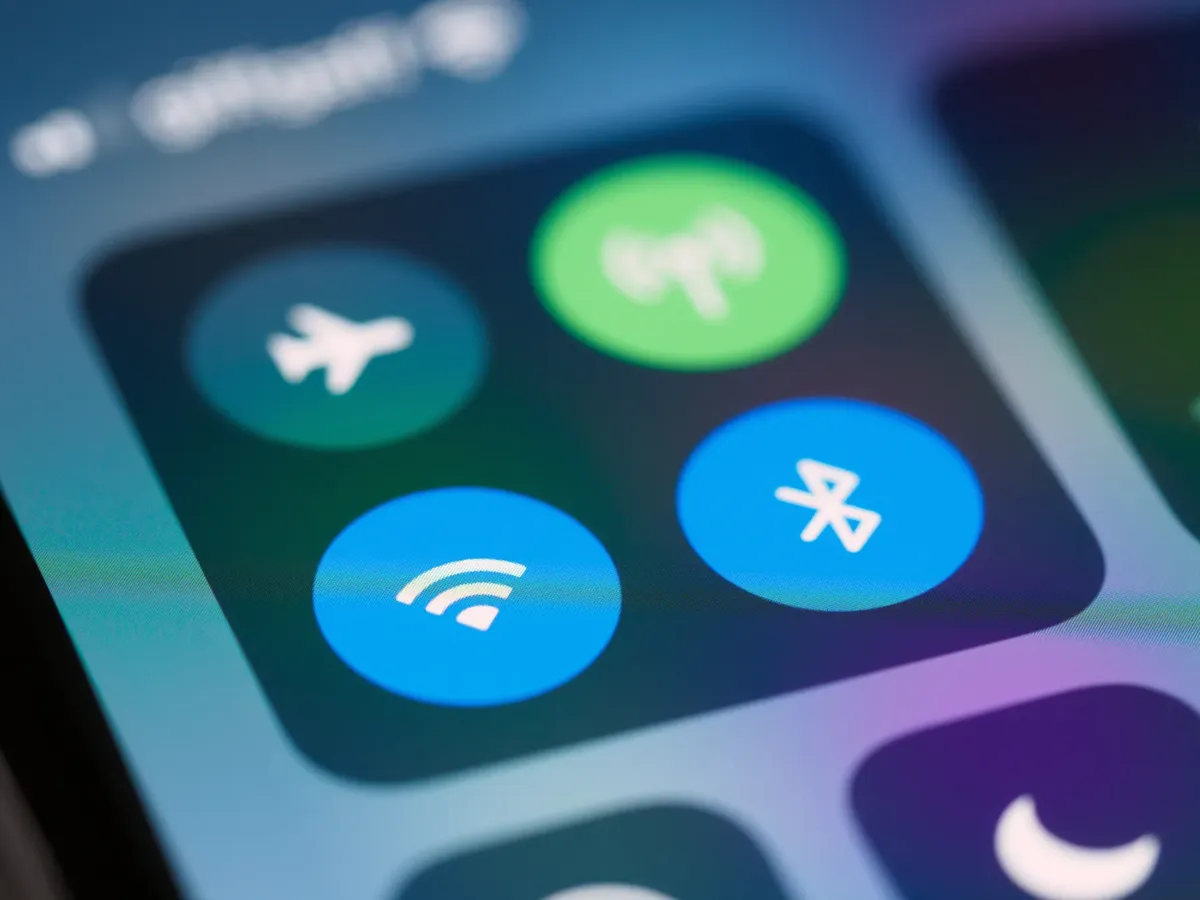
I once found that moving a single sensor three feet away from a microwave resolved a week of intermittent connectivity. This simple change of placement restored the entire automation chain.
If the device is part of a specialized industrial setup, standard consumer-grade troubleshooting may not apply. Always consult the manufacturer's specific guidance for professional-grade hardware.
| Feature | Benefit |
|---|---|
| 5G Connectivity | Supports high communication requirements and mobile devices |
| LoRa Technology | Provides long-range coverage in both urban and rural settings |
This part also covers How to accelerate wifi for iot.
This part also covers Guide to wifi signal boost.
How to accelerate wifi for iot
Related





Comments 0